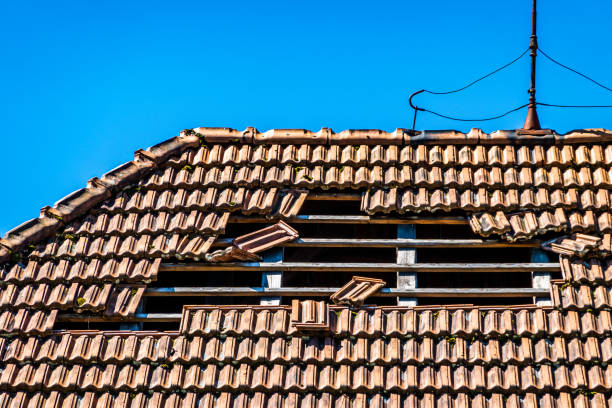

Soffit is the material covering the underside of a roof’s overhang, vented to let air into the attic. Fascia is the vertical board along the roof’s edge that gutters attach to. Together, they control attic airflow and protect the roof structure from moisture, which matters most in humid climates like Delaware’s.
Soffit and fascia sit at the edge of your roof, and most homeowners never think about them until something goes wrong. Squirrels get in. Paint starts peeling near the roofline. A musty smell shows up in the attic for no clear reason. In every one of these cases, the real story usually traces back to what your soffit and fascia are doing, or failing to do, along your roof’s edge. Here in New Castle County, where summer humidity sits heavy and winter brings its share of freeze-thaw cycles, these two parts carry more weight than their size suggests.
This piece breaks down “what is soffit and fascia on a house do”, why Delaware’s climate makes them matter more than in drier regions, and how to spot trouble before a small gap turns into a bigger repair.
What Is Soffit and Fascia on a House?
Soffit is the material that covers the underside of your roof’s overhang. Fascia is the vertical board that runs along the edge where your roof meets your gutters. They sit right next to each other, but they do different jobs.
| Soffit | Fascia | |
| Location | Underside of the roof overhang | Vertical edge where roof meets gutters |
| Main job | Ventilation intake for the attic | Structural trim, holds gutters in place |
| Typical material | Vinyl, aluminum, or wood, often vented | Wood, aluminum, or composite |
| What happens if it fails | Poor attic airflow, moisture buildup | Rotted gutter support, water intrusion |
Soffit closes off the gap between your exterior wall and the roofline, hiding the rafters from view. Fascia protects the ends of your roof rafters from weather exposure and gives your gutter system something solid to attach to. Together, soffit and fascia form the finished trim you see when you look up at a roofline from the ground, and both need to be working for the roof edge to hold up over time.
Why Do Soffit and Fascia Matter for Attic Ventilation?
Soffit vents are the intake point for fresh air entering your attic. Without that intake, hot and moist air has nowhere to escape except through your insulation, your ceiling drywall, or your roof deck itself.
Here’s the airflow pattern a healthy soffit and fascia system creates:
- Cooler outside air enters through soffit vents at the lowest point of the attic.
- That air rises as it warms, carrying moisture with it.
- Warm, moist air exits through ridge vents or gable vents near the roof peak.
- The cycle repeats, keeping attic temperatures closer to outdoor conditions.
When soffit vents get blocked by paint, insulation, or pest nests, that intake shuts down. The whole ventilation system stops working the way it was designed, even if the exhaust vents at the top are still clear.
How Do Soffit and Fascia Prevent Attic Rot in Humid Climates?
Trapped moisture is what causes rot, not a single humid day. Delaware’s summers bring long stretches of high humidity, and that moisture works its way into attics through small gaps, poor ventilation, and daily temperature swings between hot afternoons and cooler nights.
When soffit vents are clear and functioning, moist air keeps moving instead of settling on wood surfaces. Over months and years, an attic with poor airflow can develop damp rafters, soft roof decking, and mold growth that’s expensive to remediate. Fascia plays a supporting role too. When fascia boards rot or pull away from the roofline, gaps open up that let water directly into the space soffit is supposed to protect. Soffit and fascia work as a pair, and a failure in one speeds up damage to the other.
What Are the Signs That Soffit and Fascia Are Failing?
Watch for these warning signs on your roofline:
- Sagging or discolored soffit panels- means moisture is trapped behind them.
- Peeling paint near the roof edge- often the first visible clue of water exposure.
- Soft or spongy fascia boards- press gently; give means rot has already set in.
- Pest activity- squirrels, wasps, and birds target gaps in damaged soffit and fascia because it’s easier to get through than solid material.
- Dark streaking or water stains- points to moisture running down from a failure point above.
- Curling or uneven shingles near the roof edge- can result from trapped heat and moisture affecting the roof deck.
If you’re hearing scratching sounds in the attic, damaged soffit and fascia are worth checking first. Animals rarely chew through material that’s still solid.
Repair or Replace: How to Decide
Repair usually makes sense when:
- Damage is limited to one or two sections.
- The surrounding structure still feels solid.
- The problem was caught early, before moisture spread to neighboring panels.
- Matching material is still available.
Full replacement usually makes sense when:
- Rot or pest damage shows up in multiple sections.
- The existing soffit and fascia is old enough that matching pieces are hard to find.
- An inspection reveals damage that isn’t visible from the ground.
- You’re already replacing gutters or roofing and want everything to match.
At Ceccola Construction, we typically walk the full roofline before recommending either option, because soffit and fascia damage tends to run further than what’s visible from a ladder or the yard.
What Material Is Best for Soffit and Fascia in Delaware?
Wood is the traditional choice and still works when properly maintained but it needs regular painting and sealing to resist Delaware’s moisture swings.
Aluminum resists rot entirely and needs very little upkeep, which makes it a common pick for homeowners who want to avoid repeat maintenance calls.
Composite materials, often PVC or engineered wood, split the difference. They offer the look of painted wood trim with much better resistance to moisture and pests.
The right choice comes down to your home’s existing trim, your budget, and how much upkeep you want to take on. A contractor familiar with Delaware’s humidity and freeze-thaw cycles can help match the material to your roofline.
Frequently Asked Questions
What is the difference between soffit and fascia?
Soffit covers the underside of the roof overhang and often includes ventilation, while fascia is the vertical board along the roof’s edge that gutters attach to. Soffit handles airflow into the attic. Fascia protects rafter ends and supports your gutter system.
Do all houses have soffit and fascia?
Most homes with any roof overhang have both soffit and fascia, though older homes sometimes have minimal or unvented soffit. Homes with little to no overhang may have limited fascia and no soffit at all, which can lead to ventilation issues.
How often should soffit and fascia be inspected?
Soffit and fascia should be checked at least once a year, ideally during a gutter inspection. Homes in humid or storm-prone areas like Delaware benefit from a closer look after major weather events, since damage often starts small and hidden.
Can damaged soffit cause a roof leak?
Damaged soffit itself doesn’t cause a direct roof leak, but it does let moisture and pests into the attic space, which can lead to rot that eventually affects the roof deck. Left unaddressed, soffit damage often leads to bigger structural problems.
Is vented soffit necessary for every roof?
Vented soffit is necessary for any attic that relies on intake ventilation, which includes most standard roof designs. Homes with alternative ventilation systems may not need it but for the majority of houses, vented soffit is a key part of proper airflow.
How much does soffit and fascia repair cost?
Cost depends on the extent of damage, the material used, and how much of the roofline needs attention. Small repairs cost far less than full replacement, which is why catching soffit and fascia problems early tends to save homeowners money over time.