Metal roofing lasts the longest of common roofing materials, often reaching 40 to 70 years, followed by architectural asphalt shingles at 20 to 30 years and standard shingles at 15 to 20 years. Ventilation and installation quality affect actual lifespan as much as material choice does.
Most articles answering what roofing material lasts the longest pull their numbers from manufacturer spec sheets. Those numbers aren’t wrong, but they’re measured in controlled conditions, not on an actual New Castle County roof dealing with humid summers, winter freeze-thaw cycles, and the occasional hailstorm. After 25 years of roof replacements across this region, we’ve seen which materials hit their advertised lifespan, which ones fall short, and which ones consistently outperform the number on the label.
Here’s what that history shows, material by material.
Asphalt Shingles: The Baseline Most Homes Start With
Standard three-tab asphalt shingles are rated for roughly 15 to 20 years, and in our experience, that number holds up fairly accurately in this climate. Architectural asphalt shingles, a heavier and more durable version of the same material, reach 20 to 30 years when installed correctly and ventilated properly.
The biggest factor separating a shingle roof that hits 30 years from one that fails at 15 isn’t the shingle brand. It’s attic ventilation. We’ve replaced asphalt roofs well before their rated lifespan almost exclusively on homes where poor soffit or ridge ventilation trapped heat and moisture against the underside of the roof deck, accelerating shingle breakdown from below. On properly ventilated homes, brands like Atlas and Owens Corning consistently perform close to or beyond their stated lifespan range.
Architectural vs Standard Shingles: A Real Difference
| Standard 3-Tab | Architectural | |
| Typical lifespan | 15-20 years | 20-30 years |
| Wind resistance | Lower | Higher, rated for stronger gusts. |
| Thickness | Single layer | Multi-layer, dimensional. |
| Cost | Lowest | Moderate increase over 3-tab. |
This is one of the clearest patterns in our replacement history. Homes that upgraded from standard to architectural shingles during a reroof consistently went longer before their next replacement, and storm damage calls were noticeably less frequent on architectural roofs during the same weather events.
Metal Roofing: The Longest-Lasting Option We Install
Metal roofing consistently outlasts every other material we work with, reaching 40 to 70 years depending on the panel type and coating. In our replacement records, metal roofs are rarely the reason for a callback. When we do see issues, they’re almost always tied to fastener wear or coating degradation at the 25 to 30 year mark, not structural failure of the panels themselves.
What roofing material lasts the longest has a clear answer if durability alone is the deciding factor. Metal wins by a wide margin. The tradeoff is upfront cost, which runs meaningfully higher than asphalt, and that cost is the main reason metal roofing isn’t the default choice for every homeowner despite its performance advantage.
Where Asphalt Still Makes Sense Despite Shorter Lifespan
Even with metal’s clear durability advantage, asphalt shingles remain the most common material we install, and for good reason beyond just cost. Most homeowners replace a roof once every 20 to 25 years regardless of material, coinciding with other home updates or a sale. For that ownership window, a well-ventilated architectural asphalt roof reliably meets the need without the higher upfront investment metal requires.
The decision really comes down to time horizon. Homeowners planning to stay in a home for decades, or those who want to essentially remove roofing from their maintenance list entirely, see the clearest return from metal’s extended lifespan.
What Actually Shortens a Roof’s Lifespan, Regardless of Material
Across 25 years of replacements, a few patterns show up again and again as the real cause of roofs failing before their rated lifespan:
- Poor attic ventilation trapping heat and moisture against the roof deck from underneath.
- Skipped or delayed repairs on minor damage that expands into larger structural issues over time.
- Improper installation, including inadequate underlayment or incorrect flashing details around chimneys and vents.
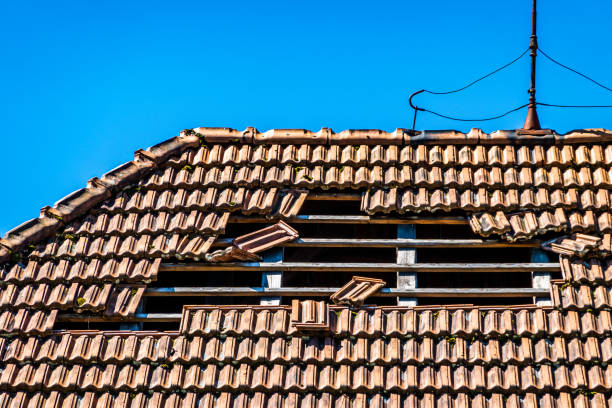
- Storm damage left unaddressed, where granule loss or lifted shingles go unnoticed for years before failing.
Material choice matters, but installation quality and attic conditions consistently show up as bigger factors in our service history than the difference between a good asphalt shingle and an average one.
What Roofing Material Lasts the Longest: The Straight Answer
Based on our own replacement data, metal roofing lasts the longest by a significant margin, followed by architectural asphalt shingles, then standard three-tab shingles. But the material alone doesn’t guarantee the number on the spec sheet. Ventilation, installation quality, and how quickly minor damage gets addressed matter just as much as what’s actually on the roof.
At Ceccola Construction, we’ve been doing this long enough in New Castle County to see roofs from decades ago still holding up, and others that needed replacement well ahead of schedule for reasons that had nothing to do with the shingle brand. That history is what shapes the recommendations we give homeowners today.
Frequently Asked Questions
What roofing material lasts the longest overall?
Metal roofing lasts the longest of common roofing materials, reaching 40 to 70 years depending on the panel type. Architectural asphalt shingles follow at 20 to 30 years, with standard three-tab shingles lasting the shortest at 15 to 20 years.
Does architectural shingle really last longer than standard shingles?
Yes, architectural shingles generally outlast standard three-tab shingles due to their thicker, multi-layer construction and higher wind resistance. Replacement history consistently shows fewer storm-related callbacks on architectural roofs compared to standard shingle roofs.
Is metal roofing worth the higher upfront cost?
Metal roofing is worth the cost for homeowners planning to stay in their home long-term or who want to minimize future roofing maintenance, given its significantly longer lifespan. The higher upfront investment is the main tradeoff against its durability advantage.
What shortens a roof’s lifespan the most?
Poor attic ventilation is one of the most common causes of roofs failing before their expected lifespan, since trapped heat and moisture break down shingles from underneath. Delayed repairs and improper installation are also frequent contributing factors.
Do roofing brands like Atlas or Owens Corning last longer than generic shingles?
Established brands like Atlas and Owens Corning generally perform closer to their rated lifespan when installed correctly, based on service history, largely due to manufacturing consistency and material quality. Proper installation still plays a major role in actual performance.
How often does a roof typically need to be replaced?
Most homeowners replace their roof once every 20 to 25 years, depending on material and maintenance, though metal roofing can extend that timeline significantly. Regular inspections help catch issues early enough to avoid replacing a roof ahead of schedule.