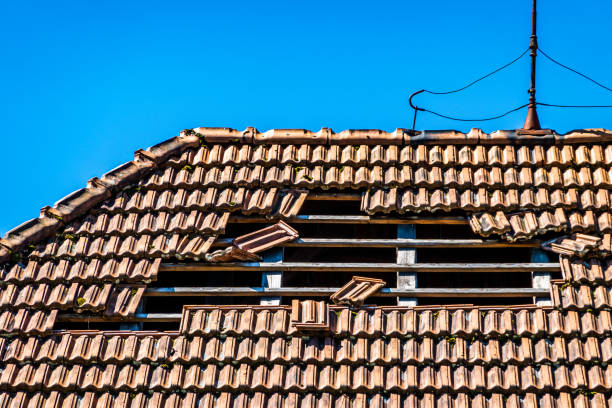
The most commonly missed signs of storm roof damage include granule loss in gutters, bruised or soft shingles, bent gutters and downspouts, lifted shingle edges, and cracked flashing. These signs rarely look dramatic, which is why insurance adjusters check for them directly rather than relying on a ground-level glance.
A storm rolls through, the wind dies down, and most homeowners do the same thing: walk outside, glance up at the roof, and if nothing looks obviously wrong, move on with their day. That glance is where the trouble starts. The signs of storm roof damage that actually matter to an insurance claim are rarely the ones visible from the driveway. Insurance adjusters know this, which is why their inspection looks nothing like a homeowner’s quick once-over.
Here’s what separates a thorough post-storm check from a missed claim, and why so many homeowners in New Castle County end up paying out of pocket for damage that was there the whole time.
The Adjuster’s Checklist vs. the Homeowner’s Glance
An insurance adjuster works from a structured list. A homeowner works from instinct. That gap explains most of the missed claims we see.
What adjusters check, in order:
- Granule loss on shingles, checked by running a hand across the surface and inspecting gutters for accumulated grit.
- Bruising on shingles from hail, felt as soft spots rather than seen as visible marks.
- Lifted or creased shingle edges, especially on slopes facing the direction the storm came from.
- Flashing around chimneys, vents, and skylights, checked for separation or bent metal.
- Gutter and downspout dents, used as a reference point for hail size and force.
- Soft decking underneath the roof surface, tested by walking sections of the roof directly.
What homeowners check:
- A visual scan for missing or obviously torn shingles.
- Whether water is actively dripping inside the house.
- General “does it look okay from here” observation from ground level.
The difference isn’t effort. It’s knowing that most storm roof damage doesn’t announce itself. Granule loss doesn’t look dramatic. A bruised shingle looks fine until it’s pressed on. That’s exactly why insurance companies send trained adjusters instead of asking homeowners to self-report.
Five Signs of Storm Roof Damage That Get Missed Most Often
Granule loss in the gutters
After a storm, check your gutters and downspouts for a buildup of small, sand-like granules. This is one of the most reliable signs of storm roof damage because it shows the protective coating on your shingles has been stripped away, even if the shingles themselves still look intact from the ground.
Soft or spongy spots on the roof surface
Hail impact can bruise shingles without breaking them. These spots feel different underfoot but rarely look different from a distance, which is exactly why they get missed during a quick homeowner walkaround.
Bent or dented gutters and downspouts
Metal shows hail damage more clearly than shingles do. If your gutters have small dents or dings after a storm, it’s a strong indicator your roof took a similar impact, even if the shingles don’t show it yet.
Lifted shingle edges or exposed nail heads
Wind can lift shingle edges without fully tearing them off. Left alone, this creates an entry point for water during the next rain, long after the original storm has passed.
Cracked or separated flashing
The metal strips around chimneys, vents, and skylights shift during high wind and heavy rain. Cracked or pulled-back flashing is a common source of leaks that homeowners attribute to “an old roof” rather than storm damage.
Why Timing Matters for Insurance Claims
Most homeowners insurance policies have a window for filing storm damage claims, often between one and two years depending on the policy and state. Waiting to document signs of storm roof damage can work against you in two ways.
Damage that goes unaddressed tends to get worse. A small area of granule loss or lifted shingles left through another season of weather can turn into a leak, and once water intrusion is involved, insurers may question whether the damage stemmed from the original storm or from ongoing neglect. There’s also a documentation problem. The longer you wait, the harder it becomes to tie visible damage back to a specific storm date, which matters when an adjuster is reviewing weather records against your claim.
What to Do After a Storm, Step by Step
- Document the date and storm details as soon as possible, including any local hail or wind reports for your area.
- Check gutters and downspouts for granule buildup or dents before doing anything else.
- Photograph the roof from the ground at multiple angles, including close-ups of any visible shingle damage.
- Avoid climbing on the roof yourself, especially after a storm when surfaces may be unstable or slick.
- Schedule a professional inspection within a few weeks, even if nothing looks obviously wrong.
- File a claim promptly if damage is confirmed, since delayed filing can complicate the process.
Why a Professional Inspection Catches What a Homeowner Walkaround Doesn’t
At Ceccola Construction, our roof inspections follow the same categories an adjuster looks for, because that alignment is what makes a claim go smoothly instead of getting disputed. A homeowner glancing up from the yard is working with limited visibility and no reference point for what normal wear looks like versus storm impact. A trained inspector walks the roof directly, checks flashing points by hand, and knows what granule loss looks like against a healthy shingle.
This matters most in the gray-area cases, where damage is real but not dramatic. Those are the claims most likely to get denied when homeowners file based on a ground-level look, and most likely to get approved when documented by someone who knows exactly where signs of storm roof damage tend to hide.
Frequently Asked Questions
How soon after a storm should I check my roof?
Check for visible signs within a few days if it’s safe to do so, and schedule a professional inspection within two to three weeks. Some damage, like granule loss, is easier to spot with fresh debris still in the gutters.
Can hail damage a roof without leaving visible marks?
Yes. Hail can bruise shingles and strip granules without creating an obvious visual sign from ground level. This is why professional inspections that involve walking the roof surface catch far more damage than a visual check from the yard.
Will my insurance cover storm roof damage?
Most homeowners insurance policies cover storm-related roof damage, including wind and hail, though coverage details vary by policy and state. Filing promptly with proper documentation improves the chances of a smooth claim.
What does an insurance adjuster look for on a roof?
Adjusters check for granule loss, shingle bruising from hail, lifted or creased edges, flashing separation, and dented gutters. They use this combination to determine both the extent of damage and whether it matches storm activity on record for that date.
Does a small roof leak always mean storm damage?
Not always, but a new leak following a storm is worth investigating for storm-related causes before assuming it’s simply an aging roof. Lifted shingles and cracked flashing from wind are common leak sources that trace directly back to storm events.
How long do I have to file a storm damage claim?
Filing windows vary by insurance policy and state, ranging from one to two years after the storm date. Checking your specific policy and documenting damage early gives you the most flexibility if you decide to file.