Composite and PVC decking generally outperform wood in humid climates like Delaware’s, resisting rot and warping from repeated heat-and-moisture cycles. PVC offers the highest moisture resistance, composite provides a strong mid-range option, and wood remains viable with consistent annual maintenance.
Every deck material looks good on the showroom sample. The real test comes in August, when a Delaware afternoon hits ninety degrees with humidity thick enough to feel, followed by a thunderstorm that soaks everything and leaves it steaming an hour later. That cycle, repeated for months every year, is what answers “what is the best material for a deck”. Not how it photographs. How it holds up to heat, moisture, and the freeze-thaw swing that follows a few months later.
We’ll break down how wood, composite, and PVC decking perform against that specific pattern, since Delaware’s climate rules out some options that work fine in drier states.
How Each Material Handles a Delaware Summer
| Wood | Composite | PVC | |
| Heat performance | Can dry out, crack, and splinter. | Can get hot underfoot, varies by brand. | Similar heat retention to composite. |
| Moisture resistance | Prone to warping and rot without upkeep. | High, resists moisture well. | Highest, fully moisture-proof. |
| Maintenance | Annual staining or sealing required. | Occasional cleaning only. | Minimal, occasional cleaning. |
| Upfront cost | Lowest | Mid to high | Highest |
| Lifespan in humid climates | 10-15 years with upkeep | 25-30 years | 30+ years |
No single answer to “what is the best material for a deck” fits every homeowner, but the pattern is clear once you weigh it against Delaware’s actual weather instead of a generic climate.
Wood: Where It Holds Up and Where It Doesn’t
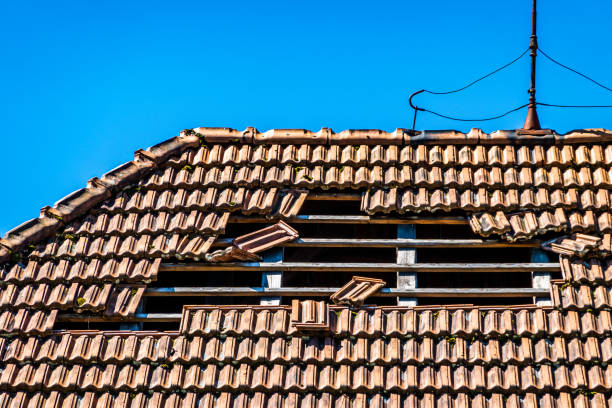
Wood decking, usually pressure-treated pine or cedar, remains popular because of upfront cost and the natural look many homeowners want. In a Delaware summer, wood’s biggest vulnerability is the moisture cycle itself. Humid air followed by heavy rain, followed by drying heat, is exactly the pattern that causes wood to expand, contract, and eventually warp or crack if it isn’t sealed and stained on a regular schedule.
Homeowners who choose wood and stay consistent with annual maintenance can get a deck that looks great for a decade or more. The catch is consistency. A missed year or two of sealing is often when the damage starts, and by the time it’s visible, boards have already begun cupping or splitting beneath the surface.
Composite: The Middle Ground That Handles Humidity Well
Composite decking, made from a blend of wood fibers and plastic, is built specifically to resist the kind of moisture cycling that wears down wood. It won’t rot, splinter, or need annual staining, which makes it a strong fit for a climate where humidity is a near-constant factor for several months of the year.
The tradeoff shows up in heat. Darker composite colors can get noticeably hot underfoot on a full-sun August afternoon, more so than lighter wood tones. Newer composite formulations have improved this with better heat-reflective technology, but it’s still worth factoring into color choice if your deck gets direct sun for most of the day.
PVC: Built for Moisture, at a Premium Price
PVC decking is fully synthetic, with no wood content at all, which makes it the most moisture-resistant option by a clear margin. It won’t absorb water, won’t rot, and holds up to Delaware’s humidity swings better than either wood or composite over the long run.
AZEK, one of the PVC decking lines we install regularly, has built its product specifically around this kind of performance, with a cellular PVC structure designed to resist moisture, staining, and scratching. The tradeoff is cost. PVC decking sits at the top of the price range among common decking materials, and that premium is the main reason it’s not the default choice for every project, even though it performs the best in a climate like ours.
Weighing Cost Against Long-Term Value
The lowest upfront cost doesn’t always mean the lowest total cost over time. Wood requires ongoing spending on stain, sealant, and the labor to apply it, year after year. Composite and PVC cost more initially but essentially eliminate that recurring expense.
For a homeowner planning to stay in their home for ten or more years, that math tends to favor composite or PVC once maintenance costs are factored in over the deck’s full lifespan. For a homeowner planning a shorter stay, or one comfortable with the upkeep, wood can still make financial sense, especially at a smaller deck size where the cost gap is less significant.
So, What Is the Best Material for a Deck in Delaware?
For most homeowners in New Castle County, composite or PVC decking is the better long-term fit given how humid, storm-heavy summers here treat exposed wood surfaces. Wood remains a reasonable choice for homeowners who want the lowest upfront cost and are committed to a consistent maintenance schedule. Between composite and PVC, the decision comes down to budget: PVC costs more but delivers the strongest moisture resistance available, while composite offers a well-tested middle ground that performs well against Delaware’s climate at a lower price point.
At Ceccola Construction, we install AZEK PVC decking alongside composite and traditional wood options, and we walk homeowners through actual samples in direct sunlight before they decide. A material’s performance on paper and its feel on a hot Delaware deck aren’t always the same thing, and seeing it firsthand tends to make the choice clearer than any comparison chart.
Frequently Asked Questions
What is the best material for a deck in a humid climate?
Composite and PVC decking generally perform best in humid climates because they resist moisture, rot, and warping far better than wood. PVC offers the highest resistance overall, while composite provides strong performance at a more moderate price point.
Does composite decking get too hot to walk on barefoot?
Composite decking can get hot in direct summer sun, particularly in darker colors, more so than traditional wood. Lighter colors and newer heat-reflective composite formulations reduce this issue, so color choice matters if the deck gets full sun exposure.
Is PVC decking worth the higher price compared to composite?
PVC decking is worth the added cost for homeowners prioritizing maximum moisture resistance and minimal long-term maintenance, since it contains no wood fibers and won’t absorb water the way composite can. Composite remains a strong, more affordable alternative.
How long does wood decking last in Delaware’s climate?
Wood decking lasts 10 to 15 years in a humid climate like Delaware’s, assuming consistent annual staining and sealing. Skipping regular maintenance significantly shortens that lifespan due to the moisture cycling common in the region.
Does deck material affect resale value?
Composite and PVC decking can positively influence resale value due to their durability and low-maintenance appeal, which buyers increasingly look for. Wood decking still holds value but may prompt buyers to factor in future maintenance costs during negotiations.
Can wood decking be upgraded to composite later?
Wood decking can be replaced with composite or PVC later, though this requires removing the existing boards and inspecting the underlying frame structure. Many homeowners choose to upgrade materials during a broader deck replacement project.