How much soffit and fascia replacement costs depends on what caused the damage, how much of the roofline is affected, the materials being installed, and whether hidden issues like rot, pest damage, or water intrusion need to be repaired. National cost guides put combined soffit and fascia replacement at roughly $9 to $34 per linear foot installed, and many homes have around 100 to 200 linear feet of roofline. In Northern Delaware and Southeast Pennsylvania, expect projects to land toward the higher end of that range, especially with rot repair, two-story access or gutter removal. These are third-party estimates, not Ceccola quotes.
Most homeowners don’t think much about their soffits and fascia. Until a squirrel disappears into the roofline.
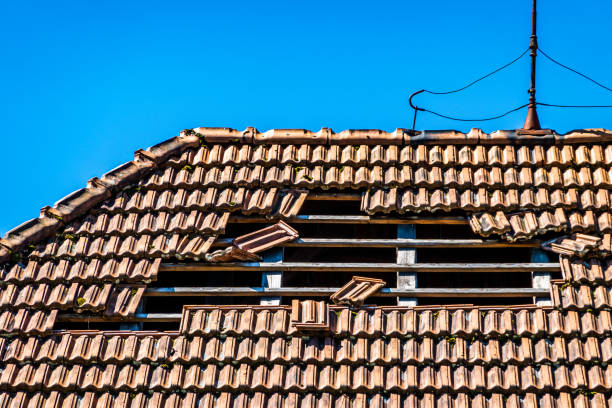
Or a piece of trim starts hanging after a storm.
Or water begins dripping where it shouldn’t.
That’s when people start searching how much does soffit and fascia replacement cost, expecting a simple number. What they discover is that the visible damage is only part of the story.
At Ceccola Construction, we’ve seen many situations where a repair that looked small from the ground uncovered moisture, rotted wood or damaged ventilation hidden behind the trim. The sooner those problems are found, the easier and less expensive they are to fix.
The Small Problem That Doesn’t Stay Small
Many roofline issues start with something almost too small to notice.
It could be-
- A loose piece of fascia after high winds.
- A small gap where squirrels squeeze inside.
- Peeling paint exposing wood to moisture.
- A cracked soffit panel.
- A clogged gutter overflowing onto the fascia.
None of these look like major problems.
But once water or animals get behind the roofline, the damage can spread quickly.
By the time homeowners start pricing a replacement, the repair sometimes involves more than replacing trim boards.
Why Local Weather Can Be Hard on Rooflines
Delaware and Pennsylvania weather can expose soffits and fascia to repeated cycles of moisture, freezing temperatures, heat and seasonal debris. Winter brings snow and freezing temperatures.
Spring delivers heavy rain, summer brings heat and humidity and fall fills gutters with leaves. Each season puts stress on soffits and fascia in different ways.
One winter’s ice dam can trap melting snow against the roof edge. Water works its way behind the fascia, freezes again, expands and slowly weakens the wood underneath.
Months later, the homeowner notices peeling paint not realizing the real damage has already happened.
Squirrels Don’t Need a Big Opening
Many homeowners assume an animal needs a large hole to enter the attic.
That isn’t always the case.
Squirrels, birds and other small animals can take advantage of surprisingly small gaps along damaged fascia or loose soffit panels.
Once inside, they may-
- Tear insulation.
- Build nests.
- Damage or chew wiring.
- Block attic ventilation.
- Leave behind moisture and debris.
If pest damage is found during the project, it naturally changes how much does soffit and fascia replacement cost because the repairs extend beyond replacing exterior trim.
Hidden Water Damage Can Be the Bigger Expense
The trim you see isn’t always the biggest concern.
Behind damaged fascia could be-
Rotten roof decking
If moisture reaches the roof deck, sections of wood may need replacement before new fascia is installed.
Damaged rafters
Long-term leaks can weaken structural framing.
Mold or mildew
Poor ventilation combined with trapped moisture creates the right conditions for mold growth.
Wet insulation
Insulation that stays damp loses much of its effectiveness and may need replacement.
These hidden issues are why contractors inspect beyond the visible damage before providing an estimate.
Not Every Home Needs a Full Replacement
One of the biggest misconceptions is that every damaged section means replacing the entire roofline.
Sometimes that’s true.
Sometimes it isn’t.
A professional inspection helps determine whether the damage is limited to one area or whether age and wear make a larger replacement the smarter long-term investment.
Material Choice Makes a Difference But It’s Not the Whole Story
Homeowners compare material prices first. That’s important, but installation conditions matter just as much.
Replacement costs can vary based on-
- Wood, aluminum, composite or vinyl materials.
- Accessibility around the home.
- Height of the roofline.
- Amount of damaged wood underneath.
- Ventilation upgrades.
- Gutter removal and reinstallation.
- Painting or finishing requirements.
Material is only one piece of the total project.
The Best Time to Replace Soffit and Fascia Might Be During Another Project
Replacing soffits and fascia during another exterior project may help coordinate labor and reduce the need for separate visits. Consider discussing it when planning:
- Roof replacement.
- New gutter installation.
- Exterior painting.
- Siding replacement.
Since contractors are already working around the roofline, completing multiple exterior improvements together makes practical and financial sense.
Five Signs You Shouldn’t Ignore
If you notice any of these, it’s a good idea to schedule an inspection-
- Paint peeling near the roof edge.
- Birds or squirrels entering the roofline.
- Soft or cracked fascia boards.
- Water stains beneath gutters.
- Sagging or damaged soffit panels.
Small repairs today can help prevent larger structural repairs later.
Conclusion
In reality, the cost depends on what’s happening behind the trim just as much as what you can see from the driveway.
At Ceccola Construction, we believe every project starts with understanding the source of the problem, not just replacing damaged boards. By identifying moisture issues, ventilation concerns or pest damage early, we help homeowners make repairs that last instead of fixing the same problem twice.
FAQs
Does replacement cost less if only one section is damaged?
If the damage is limited, only that area may need replacement. However, an inspection is important to confirm that moisture or rot hasn’t spread beyond the visible section.
Can damaged gutters affect soffits and fascia?
Yes. Overflowing or leaking gutters can direct water onto the fascia and soffit, leading to rot, peeling paint and long-term structural damage.
Should soffit and fascia always be replaced together?
Not always. If one component is still in good condition, partial replacement may be possible. A contractor can recommend the most cost-effective solution.
How often should soffits and fascia be inspected?
A visual inspection after winter or major storms can help identify obvious problems before they become more extensive.
Can damaged soffits affect attic ventilation?
Yes. Many soffits contain intake vents that allow fresh air into the attic. Damaged or blocked soffits can reduce airflow, increasing moisture buildup and shortening the lifespan of roofing materials.