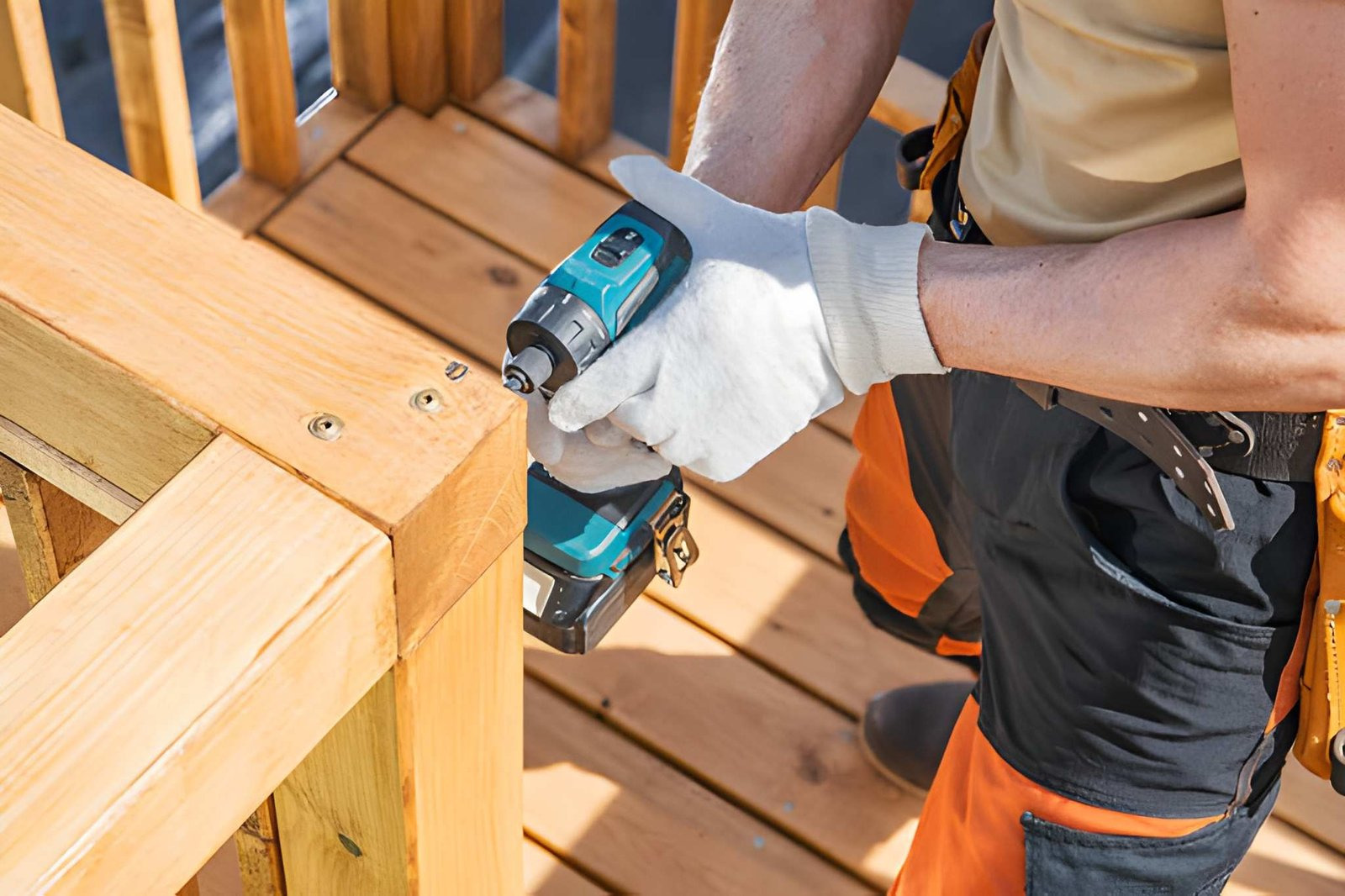

To maintain your deck, inspect it every season, clean away dirt and debris, check for loose boards and fasteners, trim nearby vegetation, reseal or stain when needed, and address small repairs before they become major issues. If you’re wondering, “How do I maintain my deck?”, following a seasonal maintenance routine is one of the best ways to extend your deck’s lifespan and keep it safe.
Your deck doesn’t age one year at a time.
It ages through every season it survives.
A snowy winter, a wet spring, a humid summer and a leaf-filled fall all leave their mark. By the time another year passes, your deck has been through four completely different weather tests.
That’s why homeowners searching “how to maintain a deck” feel overwhelmed. They aren’t just trying to keep it looking nice, they’re trying to protect one of the most-used outdoor spaces around their home.
At Ceccola Construction, we encourage homeowners to think of deck maintenance not as one big weekend project every few years, but as small seasonal habits that prevent expensive repairs later.
Spring: Look for What Winter Left Behind
Winter can be hard on any deck.
Snow, freezing temperatures and repeated freeze-thaw cycles may loosen fasteners, crack boards or allow moisture to settle into small openings.
Before patio furniture comes back outside, take time to inspect your deck.
Look for-
- Loose or raised boards.
- Wobbly railings.
- Rusted screws or nails.
- Cracked or splintered wood.
- Soft spots that feel spongy.
Many homeowners skip this inspection, only noticing problems once they’re large enough to require repairs.
Summer: Sunshine Can Be Tougher Than Rain
Most people worry about storms. But months of direct sunlight can slowly dry out wood, causing it to shrink, crack or fade.
High temperatures also weaken old stain and sealant.
During summer-
- Sweep dirt regularly.
- Wash away pollen and mildew.
- Watch for fading finishes.
- Move furniture occasionally to prevent uneven wear.
- Check areas that receive constant afternoon sun.
A clean surface also makes it easier to spot developing problems before they spread.
Fall: Leaves Are More Than a Cleanup Job
Leaves don’t just make decks look messy. When wet leaves sit on wood for days, they trap moisture against the surface. That moisture encourages mold, mildew, and staining.
Fall maintenance should include-
- Sweeping leaves often.
- Clearing debris between deck boards.
- Cleaning around the stairs.
- Trimming branches hanging over the deck.
- Making sure nearby gutters drain properly.
Winter: Don’t Ignore Your Deck Until Spring
Many homeowners stop thinking about their deck once temperatures drop. Unfortunately, winter is when hidden damage often begins.
Avoid using sharp metal shovels that can gouge wood or composite surfaces. If snow accumulates, remove it carefully using plastic tools whenever possible.
Also avoid using harsh de-icing products unless they’re recommended for your deck material.
Small surface damage during winter can allow water to seep deeper into the boards when temperatures rise again.
Wood vs. Composite Deck Maintenance
Wood and composite decks don’t require exactly the same maintenance routine.
Wood decks may need periodic cleaning, staining, or sealing depending on the material, finish, exposure and condition. Watch for cracking, splintering, fading, peeling finishes and moisture-related deterioration.
Composite decks generally don’t require staining or sealing, but they still need regular cleaning, debris removal, and inspections of boards, fasteners, stairs, and railings. Always follow the care recommendations for your specific decking product.
Moisture Is One of the Biggest Deck Maintenance Concerns
Rain doesn’t always damage a deck. Standing water does.
After storms, pay attention to areas where water sits longer than it should.
Poor drainage may indicate-
- Uneven boards.
- Clogged gaps between planks.
- Landscaping directing water toward the deck.
- Gutter overflow.
- Improper deck slope.
Many homeowners are surprised to learn that improving drainage can help extend the life of the structure.
Don’t Forget the Parts You Rarely Notice
When people think about deck maintenance, they usually focus on the boards. But other components deserve attention too.
Inspect:
Railings
Push gently against them to check for movement.
Stairs
Loose treads become safety hazards quickly.
Fasteners
Look for rust, missing screws or nails backing out.
Ledger Board
The ledger board connects the deck to your home and should remain secure and free from moisture damage.
These components can develop problems that aren’t always obvious from the decking surface, so they deserve attention during routine inspections.
When Should You Reseal or Restain?
There’s no calendar that works for every deck. Instead, let your deck tell you.
If water no longer beads on the surface and starts soaking into the wood, it may be time for a fresh protective finish.
Other signs include-
- Fading color
- Rough texture
- Peeling stain
- Dry-looking boards
Applying a new sealant before significant wear develops helps protect against moisture and UV damage.
Trees Can Be Harder on Decks Than You Think
Many homes in Northern Delaware and Southeast Pennsylvania enjoy mature shade trees.
But they also drop-
- Leaves
- Seeds
- Twigs
- Sap
- Pollen
Branches rubbing against railings or deck boards can wear away protective finishes over time.
Keeping nearby trees trimmed not only protects the deck but also improves airflow, helping the surface dry faster after rain.
Small Problems Are Easier to Address Early
A loose board, damaged stair tread, or deteriorating railing doesn’t necessarily mean the entire deck needs to be replaced.
However, ignoring small problems can allow deterioration to spread or make the original cause harder to identify.
Regular inspections give homeowners an opportunity to address problems while they’re still manageable.
Conclusion
A deck isn’t exposed to one season, it faces all four every single year.
That’s why maintenance works best when it’s broken into small seasonal routines instead of one large project every few years.
At Ceccola Construction, we encourage homeowners to think beyond cleaning alone. A well-maintained deck can remain a safer, more comfortable place for family and friends to gather. If your deck has widespread deterioration or no longer fits how you use your outdoor space, Ceccola also offers deck replacement and custom deck design and build services to help homeowners create a more functional outdoor area.
FAQs
How can I clean my deck without damaging the wood?
Use cleaning methods appropriate for your decking material. If pressure washing is used, follow the decking manufacturer’s recommendations for pressure, nozzle distance, and cleaning technique to avoid damaging the surface.
How often should I inspect my deck?
A quick inspection every season is recommended, with a more thorough inspection each spring after winter weather has passed.
Should composite decks be maintained differently?
Yes. Composite decks don’t usually require staining or sealing, but they still need regular cleaning, inspections and debris removal to stay in good condition.
Can regular maintenance help my deck last longer?
Absolutely. Seasonal inspections, prompt repairs and proper cleaning can significantly extend the lifespan of both wood and composite decks while helping avoid costly replacements.