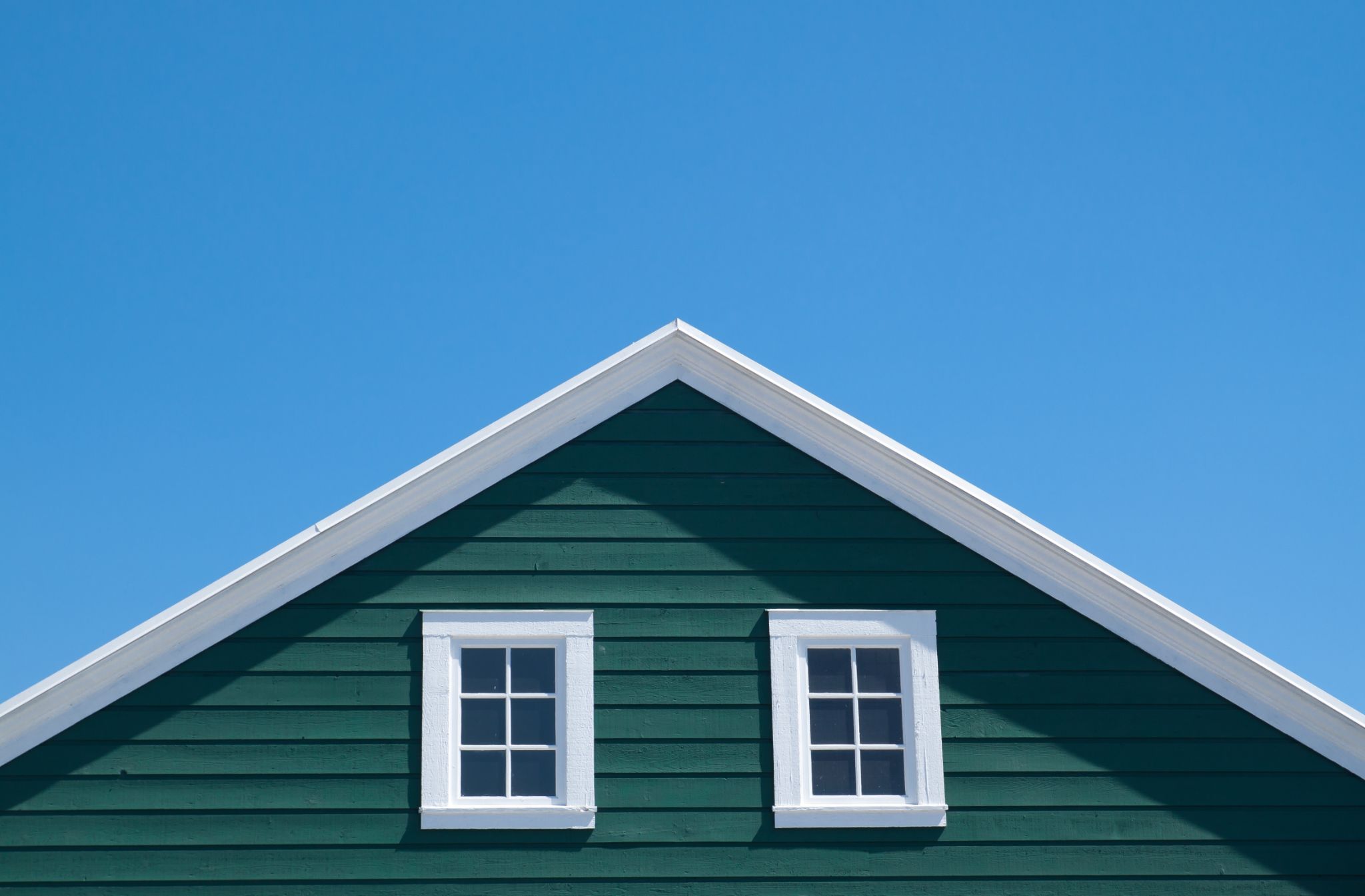
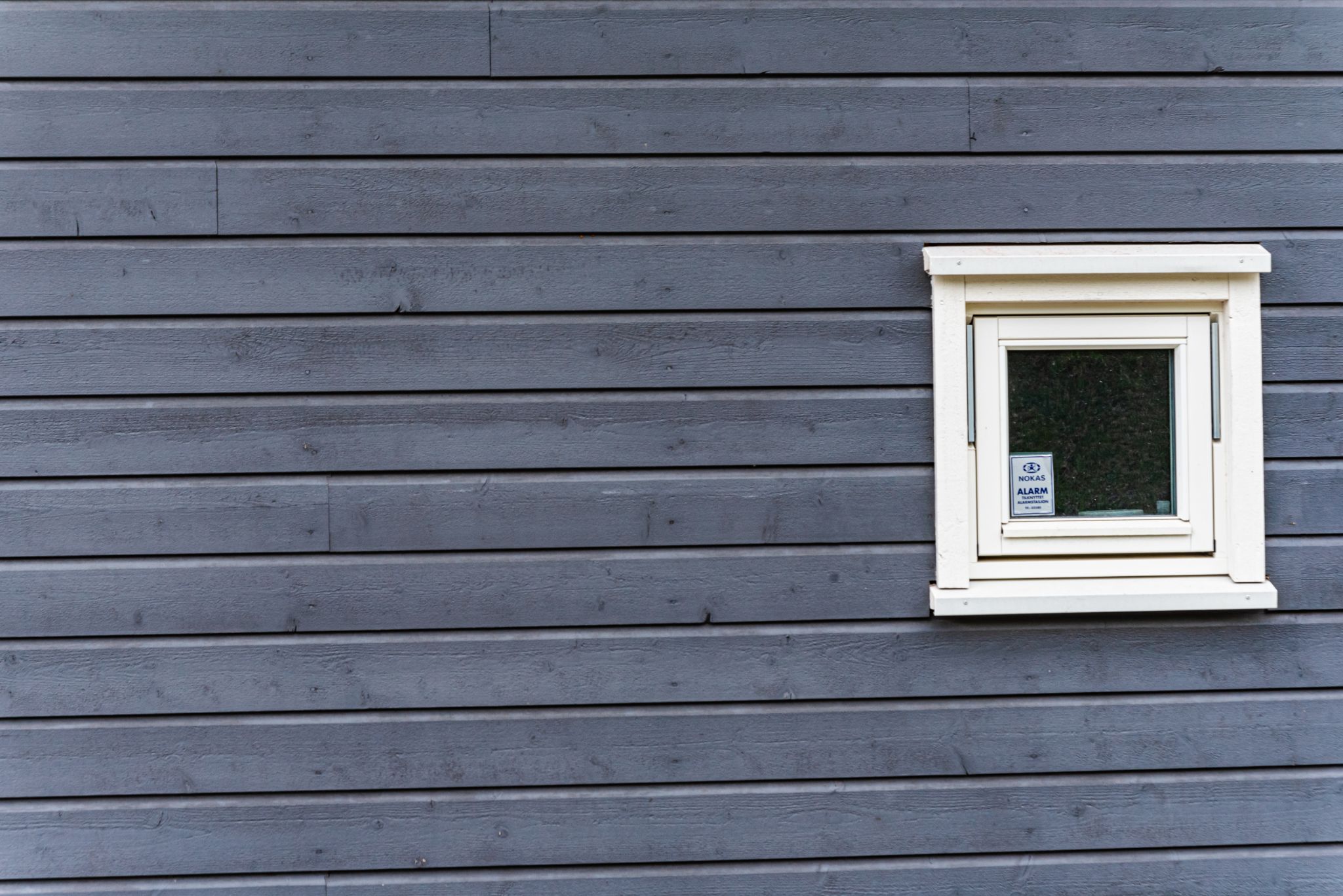
Vinyl siding is worth it for most homeowners seeking durability and low maintenance at a lower cost than fiber cement or wood. Modern vinyl, including insulated and impact-resistant lines, performs far better than older versions and returns 65-80% of its cost in added home value.
Vinyl siding has a reputation problem it doesn’t fully deserve anymore. Ask around and you’ll still hear the old line: vinyl is the cheap option, the stuff builders use when they want to keep costs down and move on. That reputation formed decades ago, and it hasn’t kept pace with what’s actually on the market now. Homeowners across New Castle County are starting to ask “is vinyl siding worth it” in a very different way than they used to, because the product itself has changed more than most people realize.
We’ll walk through what’s different about today’s vinyl siding, where it still falls short, and how to think about the investment if you’re weighing it against other exterior options.
Is Vinyl Siding Worth It Compared to Other Siding Materials?
Vinyl siding is worth it for most homeowners who want strong durability and low upkeep at a lower cost than fiber cement or wood. It won’t rot, it doesn’t need repainting, and modern versions hold up to impact and weather far better than the vinyl siding installed twenty years ago.
Here’s how it stacks up against the two materials it gets compared to most:
| Vinyl Siding | Fiber Cement | Wood Siding | |
| Upfront cost | Lowest | Mid to high | Mid to high |
| Maintenance | Minimal, occasional wash | Repainting every 10-15 years | Regular painting and sealing |
| Lifespan | 20-40 years | 30-50 years | 20-30 years with upkeep |
| Impact resistance | Improved in newer lines | High | Moderate |
| Insulation option | Yes, with insulated backing | No | No |
The honest answer to “is vinyl siding worth it” depends on what you’re optimizing for. If low maintenance and upfront cost matter most, vinyl wins clearly. If you want the exact look of real wood grain up close, fiber cement or wood still edge it out.
What Has Changed About Vinyl Siding in Recent Years?
Three shifts explain why the old “cheap option” label doesn’t fit as well anymore:
Impact resistance has improved significantly. Older vinyl siding cracked easily from hail, thrown objects, or even a ladder brushing against it. Newer formulations, including product lines from CertainTeed, use thicker panels and improved polymer blends that resist cracking and denting far better than siding made even ten years ago.
Insulated vinyl siding is now widely available. Instead of a hollow panel, insulated siding has a layer of rigid foam backing built in. This adds real R-value to your exterior walls, which matters for both energy bills and comfort. It also makes the panels stiffer, so they sit flatter against the house and resist warping.
Color and texture options have expanded. Fade-resistant color technology and deeper embossed wood-grain textures mean vinyl siding today looks less like plastic and more like a genuine match for higher-end materials, at least from normal viewing distance.
Does Vinyl Siding Increase Home Value?
Vinyl siding typically returns 65 to 80 percent of its installation cost in added home value, based on national remodeling cost-versus-value data. That return sits close to fiber cement in most markets, despite vinyl’s lower upfront price, which is part of why the ‘is vinyl siding worth it’ question keeps coming up among homeowners planning a resale in the next several years.
Value isn’t only about resale numbers, though. A few other factors matter just as much:
- Curb appeal improves quickly with new siding, since it’s the first thing buyers and neighbors notice.
- Energy efficiency gains from insulated vinyl can lower monthly utility costs, which adds ongoing value beyond resale.
- Reduced maintenance means fewer repair costs stacking up over the years you own the home.
What Are the Downsides of Vinyl Siding?
Vinyl siding isn’t the right fit for every home or every homeowner. A few limitations are worth knowing before you decide:
- Extreme heat can warp lower-grade panels, though thicker, higher-grade vinyl resists this much better than budget lines.
- It can’t be painted a different color the way wood or fiber cement can, so you’re committing to the color you choose at installation.
- Seams are visible up close, even with quality installation, which some homeowners notice more than others.
- It’s still plastic, so buyers focused entirely on natural materials may prefer wood or fiber cement regardless of performance.
None of these are dealbreakers for most homeowners, but they’re part of a full answer to “is vinyl siding worth it” rather than a one-sided pitch.
How Do You Know If Vinyl Siding Is the Right Choice for Your Home?
Vinyl siding tends to be the right choice when low maintenance, budget, and energy efficiency matter more to you than achieving the exact texture of natural wood. It also makes sense if your home’s architectural style doesn’t call for a premium, high-end material to look right.
At Ceccola Construction, we work with product lines from ProVia and CertainTeed, which cover a wide range of price points and performance levels within vinyl siding itself. Not all vinyl is built the same way, and the gap between a budget panel and a premium insulated panel is bigger than most homeowners expect. Walking through actual samples, rather than judging vinyl siding as one single category, usually clears up the decision faster than research alone.
Frequently Asked Questions
How long does vinyl siding last?
Quality vinyl siding typically lasts 20 to 40 years, depending on the product grade and how well it’s installed. Higher-grade, insulated vinyl siding tends to hold up longer and resist fading and warping better than basic panel options.
Is insulated vinyl siding worth the extra cost?
Insulated vinyl siding is worth it for homeowners focused on energy efficiency, since the added foam backing improves your home’s R-value and can lower heating and cooling costs. It also adds impact resistance compared to standard hollow panels.
Does vinyl siding crack in cold weather?
Older or lower-grade vinyl siding can become brittle and crack in extreme cold, but newer formulations are built to resist this. Product improvements over the past several years have made cold-weather cracking far less common in quality vinyl siding.
Can vinyl siding be installed over existing siding?
Vinyl siding can sometimes be installed over existing siding if the surface underneath is flat and structurally sound, though a full tear-off is usually recommended to check for hidden damage first. A contractor can assess which approach fits your home.
How much does vinyl siding cost compared to fiber cement?
Vinyl siding generally costs less upfront than fiber cement, often by a meaningful margin per square foot. Fiber cement can offer a longer lifespan in some cases, but vinyl’s lower installation cost and minimal maintenance narrow that gap over time.
Does vinyl siding fade over time?
Vinyl siding can fade with prolonged sun exposure, though modern color technology has significantly reduced how much and how fast this happens compared to older products. Darker colors still tend to fade faster than lighter ones regardless of product quality.