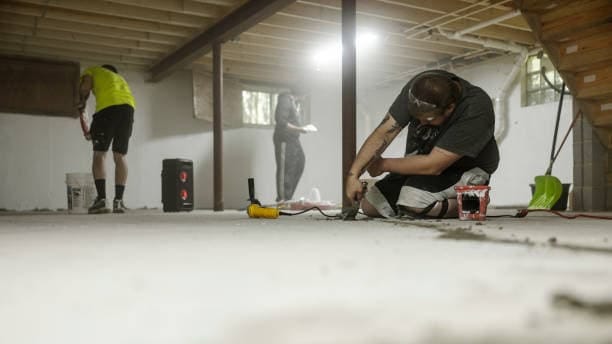
In Northern Delaware and Southeast Pennsylvania, basement finishing typically runs about $30-$75 per square foot for a permitted, code-compliant project, depending on scope. Basic finishing on a basement that is already dry and wired can come in lower, while full remodels with a bathroom, kitchenette, moisture repairs or a bedroom can run higher. These are regional estimates from third-party cost guides, not Ceccola quotes. Your final price depends on the basement’s condition, size, materials, permits, plumbing, electrical work and how you plan to use the space.
Five years ago, most homeowners finished a basement because they wanted a bigger TV room or a place for the kids to play.
That conversation is changing for many homeowners.
Today, many basements need to do two jobs at once. It might be a quiet office during the day, a guest suite on weekends, a workout room after work or even a future rental space. Instead of asking for “more room,” homeowners are asking for spaces that create more value.
That is also why more people are searching how much does basement finishing cost. They’re not simply pricing drywall and flooring anymore, they’re trying to understand what kind of investment makes sense for the way families actually live in 2026.
Basement Costs Have Changed Because Homeowners Expect More
If you compare a basement project from several years ago with one today, the biggest difference isn’t just inflation.
It is an expectation.
Many homeowners now want features like-
- A dedicated home office with sound control.
- A guest bedroom with a private bathroom.
- Storage that stays organized.
- Better lighting instead of dark corners.
- A small kitchenette or wet bar.
- Flexible rooms that can change as families grow.
A basement built for movie nights has very different requirements than one designed to generate rental income or support remote work.
The Biggest Cost Isn’t Always What People Expect
Many people think flooring or cabinets will be the largest expense. They are often surprised.
Before any beautiful finishes go in, contractors usually have to answer questions like-
Is there moisture?
Even small moisture problems should be solved before finishing begins. Covering them with drywall can create larger repairs later.
Does the electrical system need upgrades?
Older basements may need additional outlets, lighting circuits or electrical panel improvements.
Is the ceiling high enough?
Low ceiling heights may require creative planning around ductwork or plumbing lines.
Will plumbing need to be added?
Bathrooms, laundry rooms or kitchenettes can significantly change the overall project.
Does the space have a code-compliant egress exit?
Any basement bedroom or habitable space generally needs a way out in an emergency, usually an egress window or door that meets minimum size and sill-height requirements. Adding one can involve cutting into the foundation and installing a window well, so it should be planned before the layout is final.
The New Question Isn’t “Can We Finish It?”
It’s “What Should This Space Become?”
This is where many homeowners save or lose money. Instead of immediately selecting finishes, start by deciding how you’ll use the basement over the next ten years.
For example:
Home Office + Guest Room
Murphy beds, built-in storage and flexible furniture allow one room to serve multiple purposes.
Family Room + Fitness Area
Open layouts leave enough room for both entertainment and exercise without feeling crowded.
Future Rental Suite
Requirements can affect egress, fire separation, electrical and plumbing work, ceiling height and entrances. Egress is typically required for any basement bedroom or living space.
When homeowners first look at basement finishing costs, these long-term decisions have a bigger impact than paint colors or flooring choices.
Material Prices Aren’t the Only Thing Affecting Budgets
People assume rising construction costs are only about materials. Labor has changed too.
Skilled trades remain in high demand, especially for-
- Electrical work
- Plumbing
- Framing
- Finish carpentry
- Drywall installation
Permits, inspections and updated building codes also influence project budgets.
Requirements depend on the project scope and jurisdiction, so ask which permits apply and whether permit coordination is included in your estimate.
Where Homeowners Spend More and Where They Don’t Need To
Some upgrades add real daily value. Others simply increase the budget without changing how the space functions.
Worth the investment
- Proper insulation
- Moisture protection
- Quality lighting
- Durable flooring
- Energy-efficient windows
- Built-in storage
Areas where spending can be adjusted
- Premium decorative finishes.
- Luxury fixtures.
- High-end trim details.
- Specialty wall treatments.
A good contractor helps balance these choices instead of recommending upgrades simply because they’re available.
Don’t Compare Your Basement to Someone Else’s
It is tempting to compare projects online. But basements are rarely alike.
Several factors affect what basement finishing costs, including-
- Basement size
- Existing condition
- Foundation repairs
- Ceiling height
- Plumbing location
- Electrical upgrades
- Permit requirements
- Intended use
- Material selections
Two neighbors with similar homes can receive very different estimates because their basements have completely different starting points.
Why Planning First Usually Saves More Than Bargain Shopping
Many homeowners spend weeks comparing flooring prices.
Very few spend the same amount of time planning the layout.
Yet thoughtful planning prevents expensive changes during construction.
When every outlet, wall, storage area and plumbing connection is planned before work begins, projects move more efficiently and produce fewer surprises.
That planning stage is the biggest factor behind a successful basement renovation, not simply finding the cheapest materials.
Conclusion
Today’s basements aren’t just extra rooms. They’re workplaces, guest suites, entertainment spaces, exercise rooms and long-term investments that adapt as families change.
At Ceccola Construction, we believe every basement should be designed around how you actually live, not around a one-size-fits-all estimate. By understanding your goals first, Ceccola Construction offers basement renovation and remodeling for New Castle County homeowners that make sense for your home today and for years to come.
FAQs
How much does basement finishing cost if my basement is already insulated?
If insulation and basic framing are already complete, costs may be lower. However, electrical work, plumbing, flooring, drywall, permits and finishing details still affect how much does basement finishing cost.
Does adding a bathroom increase basement finishing costs?
Yes. Plumbing, waterproofing, ventilation and fixtures can significantly change the budget compared to finishing an open living area.
Can I finish only part of my basement?
Yes. Many homeowners complete their basement in phases, finishing the areas they need most first while leaving room for future expansion.
Which basement upgrades should I prioritize?
Moisture control, safe and code-compliant construction, insulation, lighting, electrical capacity and a layout that fits how you will use the space generally come before decorative finishes.
Should I get an estimate before designing the layout?
It’s better to discuss both together. An experienced contractor can recommend layout changes that improve functionality while keeping your project within budget.
Do I need an egress window to finish my basement?
If the basement will include a bedroom or other habitable space, building codes generally require a code-compliant egress exit, such as an egress window or walk-out door. Requirements vary by municipality, so confirm with your contractor and local permitting office.