Summary:
Storm Damage Warning Signs After Delaware Weather Events
Delaware weather doesn’t mess around. We get hit with everything from nor’easters to the occasional EF-1 tornado, like the one that tore through Marshallton in August 2024 with 95 mph winds. Each storm leaves its mark, even when your roof looks fine from the ground.
After any severe weather event in New Castle County, you need to look beyond the obvious. Missing shingles in your yard are easy to spot, but the real damage often hides in plain sight until it becomes expensive to fix.
Hidden Hail and Wind Damage You Can't See From the Ground
Hail damage creates what roofing professionals call “bruises” on your shingles. These aren’t holes or cracks you can easily see. Instead, hail impacts weaken the granules and underlying mat, compromising your shingles’ ability to shed water effectively. Over time, these bruised areas allow moisture to penetrate, leading to leaks that might not show up for months.
Wind damage works differently but can be just as sneaky. Strong gusts lift shingle edges just enough to break the seal without tearing them off completely. From the ground, everything looks normal. But those compromised seals create entry points for water, especially during Delaware’s freeze-thaw cycles when ice formation can push moisture deeper into your roof system.
Professional roof inspections use specialized equipment to identify these hidden problems. Thermal imaging cameras can detect moisture intrusion that’s invisible to the naked eye, while experienced contractors know exactly where to look for the subtle signs of storm damage that homeowners typically miss.
The key is timing. About 50% of homeowners wait too long to address storm damage, allowing small problems to turn into structural issues that cost thousands more to repair. Insurance companies also require prompt reporting of storm damage, so waiting can literally cost you coverage for repairs that should be covered under your policy.
Interior Signs That Point to Roof Problems
Water stains on your ceiling or walls are obvious red flags, but they’re not the only interior signs of roof trouble. Look for new discoloration that appears after storms, even if it’s just a small spot. That tiny stain represents water that’s already made its way through your roof, insulation, and drywall.
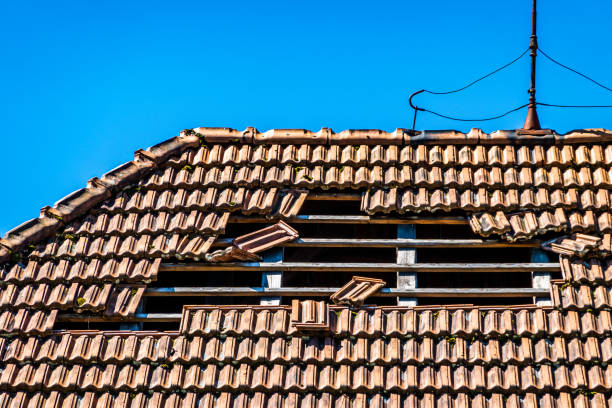
Check your attic regularly, especially after severe weather. Damp insulation, warped rafters, or any signs of moisture don’t belong up there. If you can see daylight through your roof boards, you’ve got gaps that need immediate attention. Even small amounts of moisture in your attic can lead to mold growth, which creates health hazards and expensive remediation costs.
Don’t ignore musty odors that seem to come from nowhere. Often, that smell indicates moisture problems that haven’t yet created visible stains. By the time you can see water damage, the problem has usually been developing for weeks or months.
Your HVAC system can also provide clues. If your heating or cooling costs suddenly spike without explanation, compromised roof insulation might be the culprit. Damaged roofing allows conditioned air to escape and outside air to infiltrate, forcing your system to work harder and driving up energy bills.
External Roof Damage You Can Spot From the Ground
Some roof problems are visible if you know what to look for. Start with your gutters and downspouts. Granules collecting in your gutters indicate shingle wear, especially after storms. A few granules are normal, but excessive amounts suggest your shingles are deteriorating faster than they should.
Look up at your roofline for any shingles that appear cracked, curled, or missing entirely. Pay special attention to the edges and corners of your roof, where wind damage typically starts. Damaged flashing around chimneys, vents, and skylights creates immediate leak risks.
Flashing and Structural Issues That Demand Immediate Attention
Flashing problems top the list of urgent roof repairs . These metal strips seal the joints where your roof meets chimneys, vents, skylights, and walls. When flashing gets damaged, cracked, or pulls away from these connections, water has a direct path into your home.
Check the flashing around your chimney carefully. Look for rust, gaps, or areas where the metal has pulled away from the brick or siding. Storm winds can loosen flashing that’s been properly installed for years, creating immediate leak risks that only get worse with each rain.
Roof valleys deserve special attention because they channel large volumes of water off your roof. Damaged valley flashing can cause water to back up and find its way under your shingles. If you notice water pooling in valleys after rain, or if the metal looks bent, cracked, or separated, you need professional repair immediately.
Structural issues like sagging, warping, or buckling indicate problems that go beyond simple shingle replacement. These signs often point to damaged roof decking, compromised support structures, or long-term moisture damage that’s weakened your roof’s framework. When you see structural damage, you’re typically looking at repair costs that make replacement the smarter financial choice.
Delaware-Specific Weather Damage Patterns
Delaware’s climate creates specific types of roof damage that homeowners in other regions don’t face. Our freeze-thaw cycles are particularly hard on roofing systems. Water gets into small cracks during storms, then freezes when temperatures drop, expanding and making those cracks bigger. This cycle repeats throughout winter, turning minor issues into major problems by spring.
Ice dams form along roof edges when poor attic insulation allows heat to escape unevenly. Snow melts on the warm areas of your roof, then refreezes at the cold edges, creating ice barriers that trap water. This trapped water can back up under your shingles and into your home. February and early March are prime ice dam season in Delaware, making this a critical time for roof monitoring.
Coastal storms bring their own challenges. The combination of high winds and driving rain can force water under shingles that would normally shed moisture effectively. Salt air accelerates corrosion of metal components like flashing, gutters, and fasteners. If you’re within a few miles of Delaware Bay or the Atlantic Ocean, your roof components face more aggressive conditions than inland properties.
Our humid summers create conditions where small leaks can quickly lead to mold growth in attics and wall cavities. What might be a minor moisture issue in a drier climate becomes a health hazard and expensive remediation project in Delaware’s climate. This makes early detection and prompt repair even more critical for local homeowners.
When to Call Professional Roof Repair Services in New Castle County
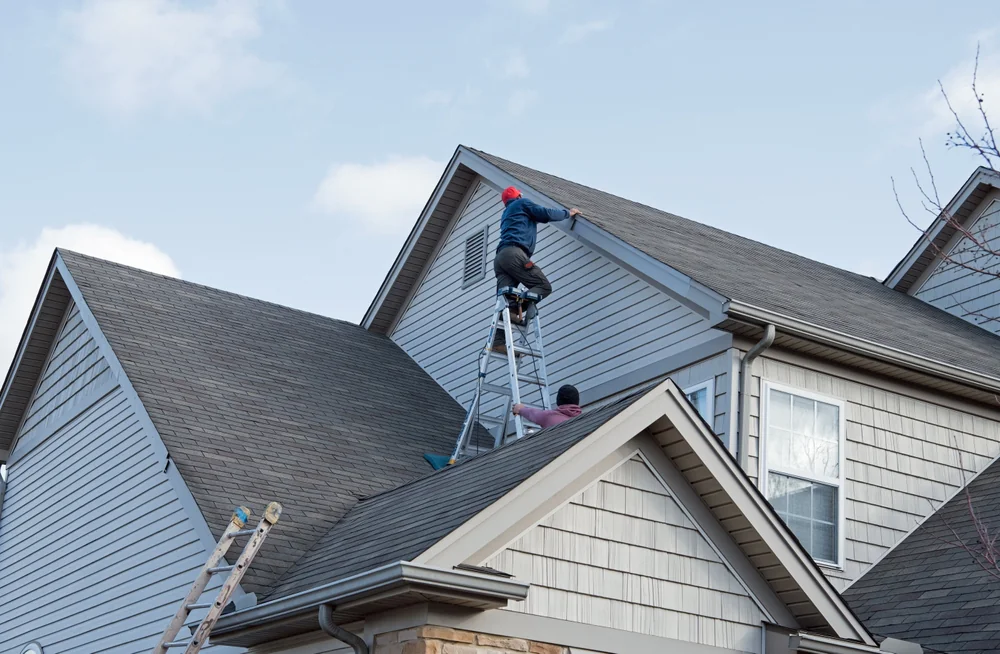
The decision between DIY inspection and professional assessment often comes down to safety and expertise. Climbing on your roof is dangerous, and the subtle signs of damage require trained eyes to identify properly. Professional roofers know exactly where Delaware weather typically causes problems and have the tools to detect issues you’d never spot from the ground.
If you’ve experienced any severe weather in New Castle County, a professional inspection makes financial sense. Insurance companies often cover storm damage, but only if it’s properly documented and reported promptly. Experienced contractors work with insurance adjusters regularly and know how to document damage in ways that maximize your claim settlement.
For reliable roof repair services in New Castle County, we at Ceccola Construction bring over two decades of local experience and the certifications that matter. We understand exactly how Delaware weather affects your roof and what it takes to fix problems right the first time.