Summary:
Weather Damage That Signals Replacement Time
Delaware’s climate doesn’t mess around with roofs. Between the summer storms rolling in from the Atlantic and winter freeze-thaw cycles, your roof faces constant stress.
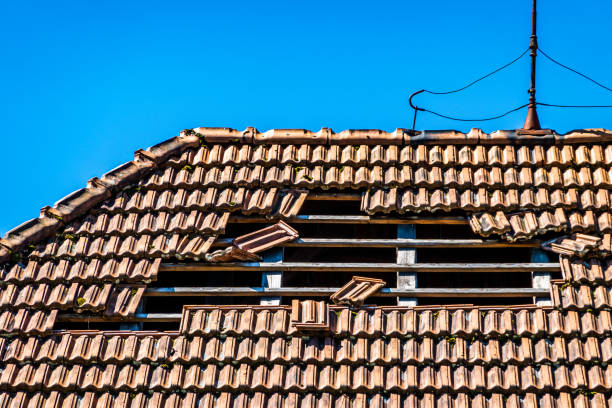
When storm damage goes beyond isolated shingles or minor leaks, you’re often looking at replacement rather than repair. The key is recognizing when damage has become systemic rather than localized.
Multiple areas of concern across your roof usually mean the entire system has reached its limit. This is especially true for roofs approaching or exceeding their expected lifespan.
Extensive Shingle Loss and Granule Damage
After a significant storm, take a walk around your property and look at what’s on the ground. If you’re seeing scattered shingles or large amounts of granules collected in gutters and around downspouts, your roof may have sustained more damage than you realize.
Granule loss is particularly telling because those granules protect your shingles from UV damage. Once they’re gone, the exposed asphalt becomes brittle and vulnerable. In Delaware’s climate, this process accelerates quickly. You might not see immediate leaks, but the countdown to failure has started.
When granule loss affects multiple sections of your roof, or when you can see the black asphalt backing through the remaining granules, you’re past the point where individual shingle replacement makes financial sense. The underlying structure is telling you it’s time for a complete roof replacement .
This is especially common in homes with roofs installed 15-20 years ago. The materials have done their job protecting your home, but Delaware’s weather has taken its toll. Rather than playing catch-up with repairs that will become increasingly frequent, replacement gives you a fresh start with modern materials designed to handle our regional climate better.
Multiple Leak Points and Interior Water Damage
One leak might be a repair job. Multiple leaks appearing in different areas of your home signal a roof system that’s failing comprehensively. This is particularly common after severe weather events that stress the entire roof structure.
Water damage inside your home often indicates problems that go deeper than surface-level shingle issues. When water penetrates your roof system, it affects the underlayment, decking, and potentially the structural components of your home. By the time you see stains on ceilings or walls, the damage has often spread beyond what targeted repairs can address effectively.
In New Castle County’s humid climate, water intrusion creates additional problems quickly. Mold and mildew can develop in as little as 24-48 hours in the right conditions. What starts as a roofing problem becomes an indoor air quality and health concern that affects your entire living environment.
The financial math becomes clear when you consider the cost of addressing water damage throughout your home versus investing in roof replacement. A new roof system with proper underlayment and modern materials stops the problem at its source, rather than trying to patch a system that’s already compromised in multiple locations.
Age and Structural Warning Signs
Sometimes the decision isn’t driven by dramatic storm damage but by the accumulated wear of time and weather. Roofs don’t fail overnight—they give you warning signs that the end of their useful life is approaching.
Understanding these subtler indicators helps you plan for replacement on your timeline, rather than being forced into an emergency situation during the next major storm. This is particularly important for homeowners in our area, where weather can turn severe with little warning.
Sagging Roof Lines and Structural Issues
Step back from your home and look at the roofline. A healthy roof maintains clean, straight lines along the edges and ridges. If you notice sagging, dipping, or waviness in areas that should be straight, you’re seeing signs of structural compromise that repair alone cannot address.
Sagging often indicates problems with the roof decking or underlying support structure. This can result from years of moisture infiltration, the weight of multiple roof layers, or simply the natural aging of materials under Delaware’s climate stress. When structural integrity is compromised, attempting repairs without addressing the underlying cause becomes an expensive exercise in futility.
These issues become more pronounced after heavy snow loads or during periods of high moisture. The weight and stress reveal weaknesses that may not be obvious during dry conditions. If you notice that sag lines become more pronounced after weather events, the structural issues are likely progressing and will continue to worsen.
Professional roof replacement addresses these structural concerns comprehensively. Modern installation techniques and materials provide the structural integrity your home needs to handle whatever Delaware weather brings. Rather than continuing to stress a compromised system, replacement gives you confidence that your roof can handle the load requirements for decades to come.
Energy Efficiency Loss and Ventilation Problems
Your energy bills can tell you a lot about your roof’s condition. If you’ve noticed increasing heating and cooling costs despite no changes in your usage patterns, your roof system may be failing to provide adequate insulation and ventilation. This is particularly noticeable in homes with older roof systems that predate modern energy efficiency standards.
Poor roof ventilation creates a cascade of problems that affect your entire home. In summer, inadequate ventilation traps heat in your attic, forcing your cooling system to work harder. In winter, poor ventilation can contribute to ice dam formation, which creates additional stress on your roof system and potential for water damage.
These ventilation issues often develop gradually as roof systems age and components begin to fail. What starts as minor inefficiency becomes a significant drain on your energy budget and comfort. When multiple components of your roof system are contributing to these problems, comprehensive replacement becomes more cost-effective than trying to address individual issues piecemeal.
Modern roof replacement includes proper ventilation design that works with Delaware’s climate patterns. This not only improves your home’s energy efficiency but also extends the life of your new roof system by managing moisture and temperature extremes that can cause premature aging of materials.
Making the Right Decision for Your New Castle County Home
Recognizing these signs early gives you the advantage of planning your roof replacement rather than reacting to emergency situations. In our climate, waiting too long often means dealing with additional damage to your home’s interior, structure, and systems.
The investment in roof replacement protects not just your home but your family’s comfort and safety. Modern roofing materials and installation techniques provide superior protection against Delaware’s weather challenges while improving your home’s energy efficiency and value.
When you’re ready to discuss your roof replacement needs, we at Ceccola Construction bring over two decades of experience serving New Castle County homeowners with the quality and integrity you deserve.