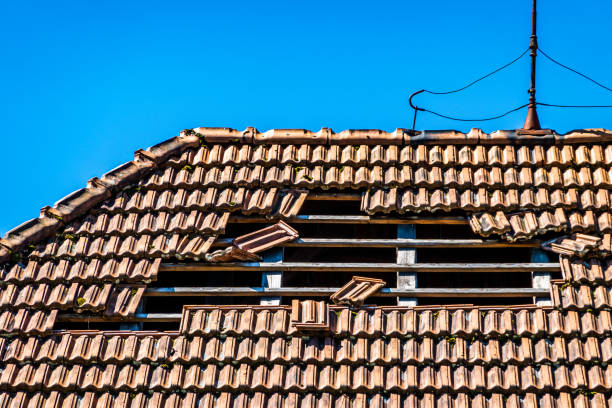
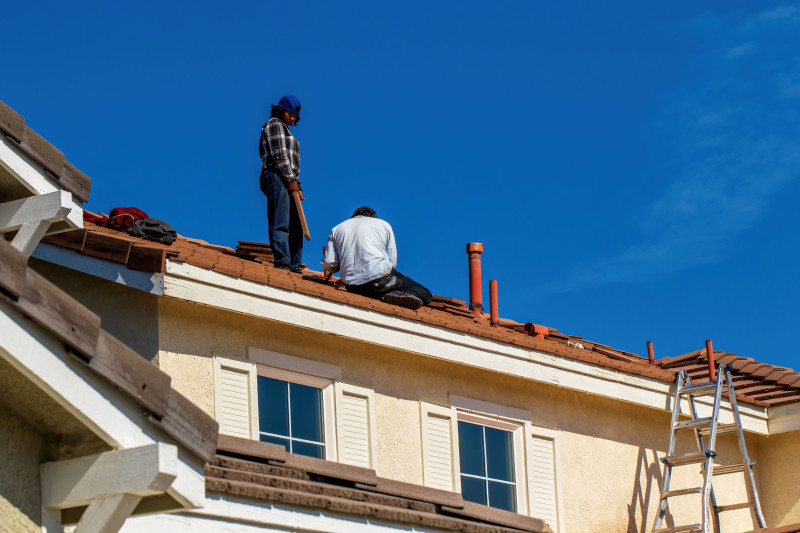
To stop roof leaks, you first need to identify where the water is entering. While damaged shingles are a common cause, leaks can also come from flashing, roof vents, chimneys, clogged gutters, skylights or deteriorated siding. If you’re wondering “how do I stop roof leaks”, a professional inspection is the best way to find the true source before making repairs.
You notice a brown stain spreading across the ceiling.
Your first thought?
“The roof must be leaking.”
It’s a reasonable assumption.
But here’s something that surprises many homeowners: sometimes the shingles are doing exactly what they’re supposed to do.
Water has a way of traveling. It can enter your home several feet away from where you finally see the stain, making the real source much harder to find.
At Ceccola Construction, we’ve learned that solving a roof leak starts with finding the true entry point, not the place where the water finally appears.
Why Water Is Such a Good Trickster
Unlike a broken pipe, rainwater rarely falls straight down once it gets inside a roof system.
It can-
- Run along rafters.
- Follow insulation.
- Travel behind drywall.
- Move around roof framing.
- Drip far from where it first entered.
That’s why a ceiling stain in your living room doesn’t always mean the roof directly above it has failed.
Understanding this is the first step toward finding the source.
Flashing That Has Quietly Failed
Flashing is the thin metal material installed around roof features where water naturally collects.
You’ll find it around-
- Chimneys
- Roof valleys
- Skylights
- Dormers
- Wall intersections
Over time, flashing can loosen, crack or separate due to weather and normal expansion and contraction. Even a small gap can allow water to enter during heavy rain.
Many homeowners replace shingles when the real issue is worn flashing.
Roof Vents That Aren’t Sealed Properly
Every roof has openings. Plumbing vents, attic vents and exhaust vents all pass through the roofing system.
Each opening relies on rubber boots, flashing or sealants to stay watertight.
As these materials age, they may-
- Crack
- Dry out
- Shrink
- Pull away from the vent pipe
Clogged Gutters Can Push Water Backward
Your gutters aren’t just there to catch rain. They’re designed to move water away from the roof as quickly as possible.
When gutters fill with leaves and debris, water has nowhere to go.
Instead, it may-
- Overflow behind the gutter.
- Soak the fascia.
- Reach the roof decking.
- Work its way beneath roofing materials.
What looks like a roofing problem may actually begin with poor drainage. Keeping gutters clear can reduce the risk of drainage-related problems, although it won’t prevent every type of roof leak.
Chimneys and Skylights Need Attention Too
Roof accessories create additional seams where water can enter.
Older chimney flashing, deteriorated mortar, worn skylight seals or failed caulking can all allow moisture inside.
These leaks can appear only during certain wind directions or heavy storms, making them difficult to diagnose.
Don’t overlook these roof features simply because the shingles look fine.
It Might Not Be the Roof at All
Sometimes water enters through the exterior walls.
- Cracked siding.
- Gaps around windows.
- Damaged trim.
- Poorly sealed exterior penetrations.
Wind-driven rain can enter these areas and travel behind walls before eventually showing up on the ceiling.
This is why professional inspections examine more than just the roof covering.
Don’t Wait for a Bigger Water Stain
Even a small leak can lead to more extensive damage if the source isn’t addressed.
Moisture can eventually affect-
- Roof decking
- Insulation
- Drywall
- Wood framing
- Interior paint
- Electrical components
The sooner the source is identified, the easier it is to repair.
Waiting several months means fixing both the leak and the damage it caused inside the home.
Temporary Fixes Have Their Limits
It’s tempting to grab a tube of roof sealant after spotting a leak.
Sometimes that’s enough to slow water temporarily.
But if the actual problem is damaged flashing, clogged gutters or deteriorated roof decking, surface sealants won’t solve the underlying issue.
That’s why it’s better to focus on identifying the cause rather than simply covering the symptom.
A Leak Doesn’t Always Mean You Need a New Roof
This is one of the biggest misconceptions. Many roof leaks are repairable without replacing the entire roof.
The right solution depends on-
- The age of the roof.
- The source of the leak.
- The extent of water damage.
- Overall roof condition.
- Previous repair history.
An inspection helps determine whether a targeted repair is enough or whether larger work should be considered.
What You Should Do If You Notice a Leak
If you discover signs of water intrusion-
- Take photos of the affected area.
- Move furniture or valuables away from the leak.
- Place a bucket under active drips if necessary.
- Avoid climbing onto a wet roof yourself.
- Schedule an inspection before the next major storm.
Acting early prevents much more expensive repairs later.
Conclusion
When a ceiling stain appears, many homeowners assume the shingles are to blame.
In many cases, they’re not.
Flashing, vents, gutters, chimneys, skylights and even siding can all allow water into your home while the shingles remain in good condition.
At Ceccola Construction, we believe the right repair starts with the right diagnosis. Finding where water enters, not where it appears is the key to protecting your home and avoiding unnecessary repairs.
FAQs
1. How do I stop roof leaks without replacing my roof?
Many roof leaks can be repaired by replacing damaged flashing, resealing vents, repairing gutters, or fixing isolated roofing issues. A professional inspection can identify the exact source.
2. Why does my roof only leak during certain storms?
Wind-driven rain can push water past flashing, vents, chimneys or siding that stay watertight in ordinary rain, so a leak may appear only under specific conditions. Note the storm direction and when the stain appeared, and share both at inspection.
3. Why is my ceiling leaking if my shingles look fine?
Water may be entering through flashing, roof vents, chimneys, skylights, or even exterior walls before traveling to the area where the stain appears.
4. Should I address a roof leak immediately?
Yes. Even a small leak can lead to more extensive damage if the source isn’t addressed. If water is actively entering the home, take reasonable steps to contain it safely and arrange an inspection.
5. How can I tell where a roof leak is coming from?
The visible stain is often not the entry point. A professional roof inspection traces the path of water to locate the actual source of the leak, allowing for a more accurate and lasting repair.